Borrowed energy vs. supported energy
Caffeine works by blocking adenosine, the compound that accumulates through your waking hours and produces the feeling of tiredness. Blocking the signal does not clear the backlog. The adenosine is still there, still accumulating, waiting behind a door that will eventually open.
Which is exactly what the afternoon crash is. It is not caffeine wearing off in a neutral way — it is several hours of suppressed tiredness arriving at once, on top of the tiredness you would have felt anyway. You did not gain energy at 8am. You moved it, and paid a small premium for the transfer.
Supported energy is a different proposition altogether. Rather than blocking a signal, the aim is to support the body's own production and the conditions that allow it — circulation, hormone balance, recovery. It is unglamorous, it produces nothing dramatic in the first hour, and it does not create a debt to be settled at three in the afternoon.
Why the dose stops working
The second problem with stimulants is that they are a moving target. Adenosine receptors upregulate in response to regular blockade — the body compensates by building more of them. Which means the amount of caffeine that produced a noticeable lift in January produces less by March, and the natural response is to increase the dose.
Anyone who has moved from one coffee to three over a couple of years has run this experiment personally. The endpoint is not more energy. It is a higher baseline requirement to reach normal, plus the side effects that come with it.
A stimulant-free formula sidesteps the whole cycle. There is no receptor adaptation to outrun, so the amount you take in month six is the same amount you took in week one. This is one of the more practical arguments for the approach, and it is rarely made because it does not sell as well as a promise of immediate effect.
What changes after 45
Two things shift in a man's forties that make stimulants a worse deal than they were at 25.
The first is caffeine clearance. The rate at which the liver processes caffeine tends to slow with age, meaning a given dose stays in circulation longer. A 3pm coffee that was harmless in your twenties can still be measurably present at bedtime in your fifties.
The second is that the underlying causes of low energy change. Energy complaints in a 25-year-old are usually about sleep debt. In a 50-year-old they are more likely to involve a wider set of factors — circulation, recovery capacity, hormone balance, body composition — none of which caffeine addresses. Masking the symptom becomes a less useful strategy as the symptom becomes less about acute tiredness and more about the systems underneath it.
A stimulant treats the feeling of tiredness. It does not touch any of the things that produced the tiredness. For a man over 45, that gap tends to widen.
The sleep loop nobody mentions
Here is the trap that catches most men. Poor sleep produces daytime fatigue. Daytime fatigue produces afternoon caffeine. Afternoon caffeine — with slower clearance — degrades that night's sleep, particularly deep sleep. Degraded sleep produces more daytime fatigue the following day.
The loop tightens quietly over months, and from the inside it looks like your energy is declining. It is more often that the intervention has become part of the problem.
This is the strongest practical case for stimulant-free support: something you can take at 8am without wondering what it is doing to your sleep at 11pm. A capsule with no caffeine and no yohimbine has no bearing on sleep architecture at all, which means it can support daytime energy without quietly undermining the thing that produces energy in the first place.
What stimulant-free support looks like
If you are reading labels, four things are worth checking:
- Genuinely no stimulants. Check specifically for caffeine anhydrous, green tea extract, guarana, yerba mate and yohimbine. Several products marketed as "natural energy" contain one of these.
- Disclosed amounts. A proprietary blend makes it impossible to know whether the useful ingredient is present at a useful amount.
- Support for the underlying systems. Botanicals traditionally associated with circulation, hormone balance and recovery, rather than anything designed to produce an immediate sensation.
- A realistic timeline in the marketing. Any product promising you will feel it on day one is either using a stimulant or overpromising.
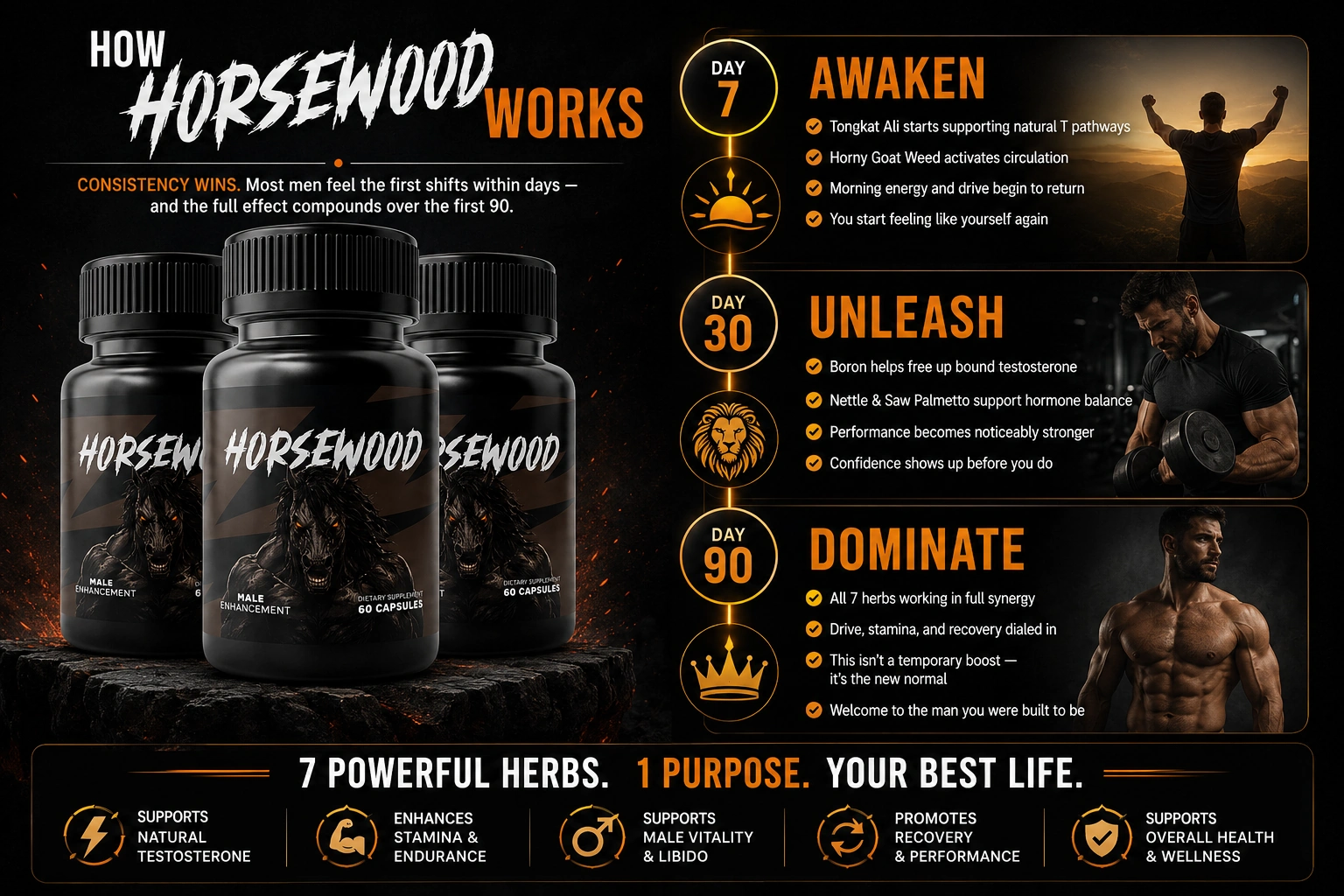
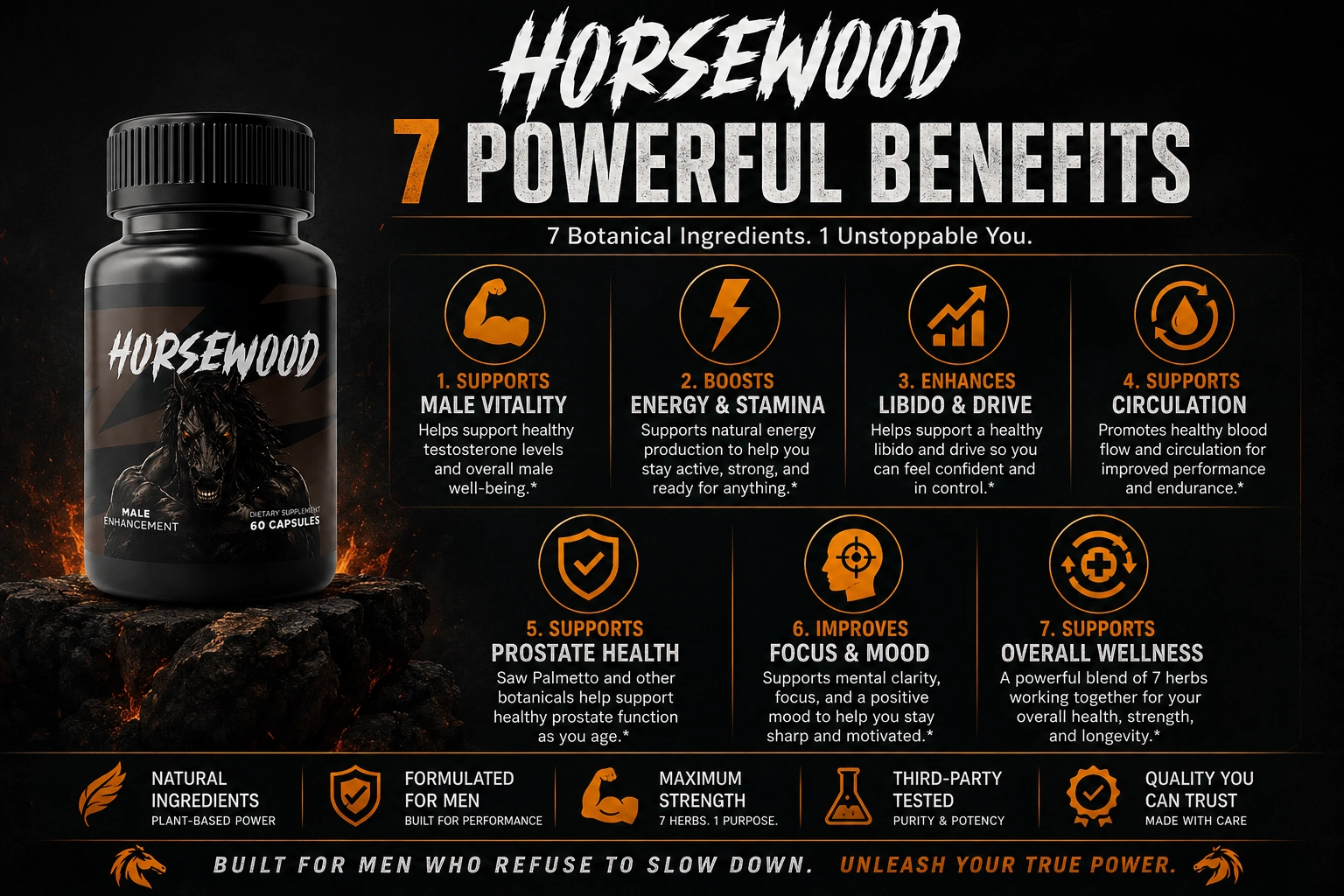
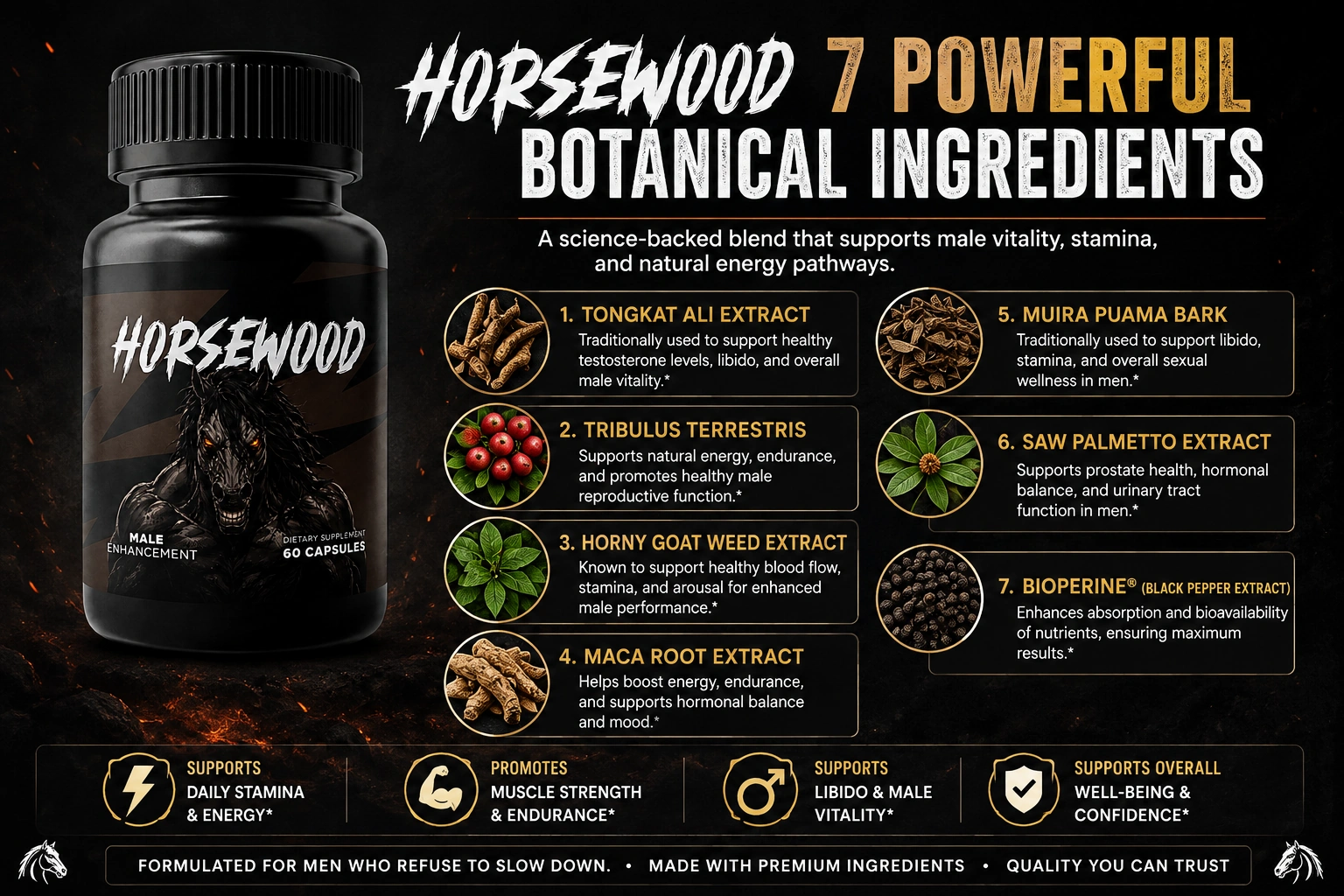
Horsewood is built on this approach: seven botanicals, 1,000mg of Tongkat Ali as the anchor, and nothing in the capsule that acts as a stimulant. It is designed to support natural energy over weeks rather than produce a sensation within the hour. Individual results vary.
Coming off stimulants sensibly
If you currently rely on a high caffeine intake, do not stop abruptly — withdrawal headaches and several genuinely unpleasant days are the usual result, and they will make you attribute the discomfort to whatever you started instead.
A more workable approach is to taper over two to three weeks, cutting roughly a quarter of your intake each week and moving your last caffeinated drink progressively earlier, aiming for nothing after midday. Expect the first ten days to feel worse before they feel better; that is the adenosine backlog clearing rather than evidence that caffeine was helping.
Start the stimulant-free routine at the same time and give the combination a full 90 days. Speak with your physician first if you take blood pressure medication, blood thinners, hormone-related medication, or manage a serious medical condition.
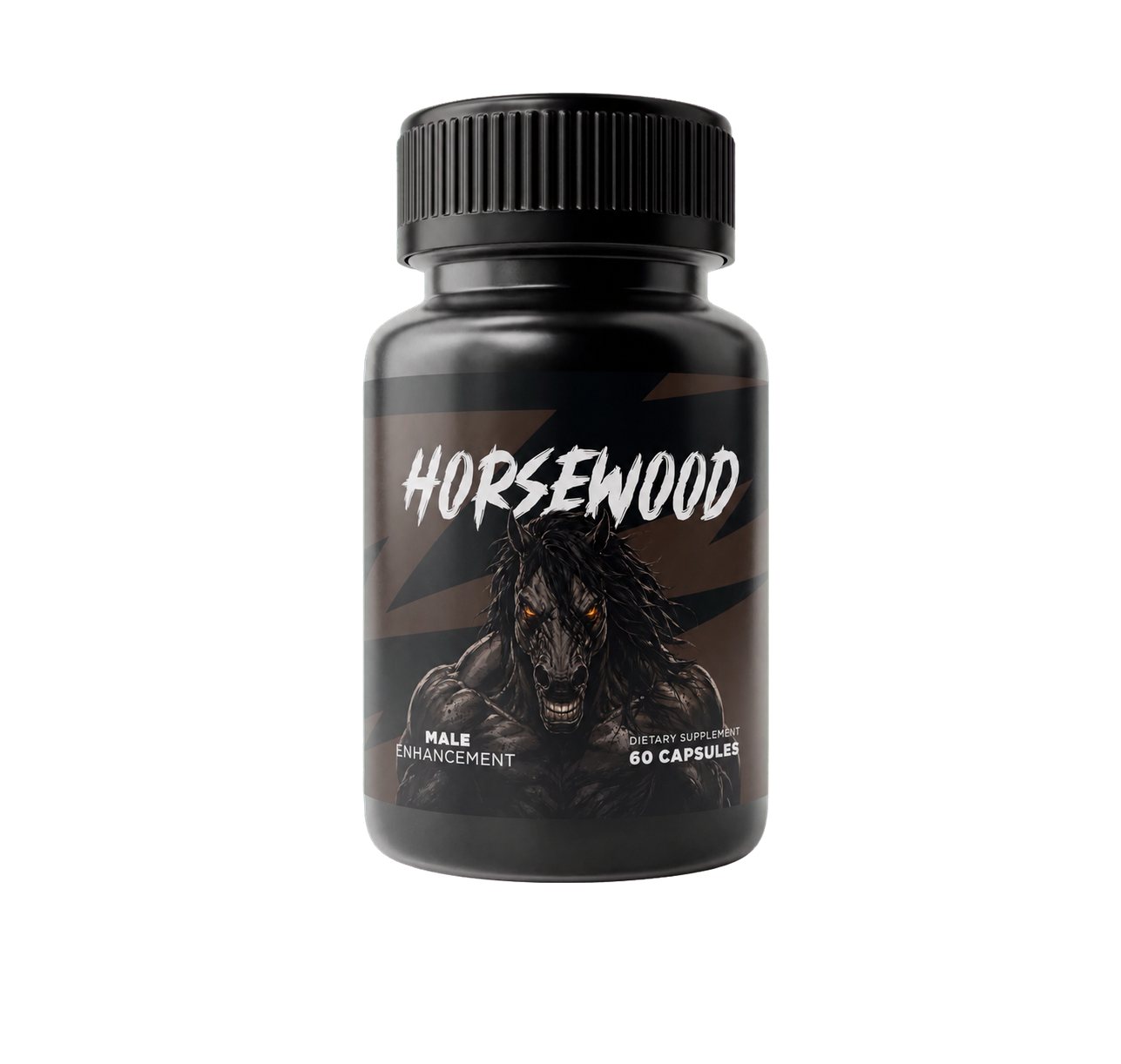
One capsule. Seven botanicals. Zero stimulants.
Horsewood is a once-daily botanical supplement formulated to support male vitality as part of a healthy lifestyle — with 1,000mg of Tongkat Ali, no stimulants and no subscription.
Order HorsewoodOne-time purchase · 60-day money-back guarantee · Free US shipping on the 6-bottle pack
Frequently asked questions
A formula that supports the body's own energy production and the systems underlying it, rather than blocking tiredness signals the way caffeine and other stimulants do. It generally produces no immediate sensation and works over weeks.
Yes. A formula containing no caffeine, yohimbine or other stimulants has no bearing on sleep architecture, so morning use does not carry into the night.
Regular caffeine intake causes adenosine receptors to upregulate, so the same dose produces less effect over time. Stimulant-free formulas avoid this cycle because there is no receptor adaptation involved.
No. Horsewood contains no caffeine, no yohimbine and no stimulants of any kind.
Taper rather than stopping abruptly. Reducing intake by roughly a quarter each week over two to three weeks, while moving your last caffeinated drink earlier in the day, avoids the worst of the withdrawal.