What Tongkat Ali is
Eurycoma longifolia is a flowering shrub native to Malaysia, Indonesia and surrounding parts of Southeast Asia. The root is the part used, and it has a long history in traditional practice in the region, where it is often known as Tongkat Ali or Malaysian ginseng — the latter being a marketing name rather than a botanical relationship, as it is not a ginseng.
Its active constituents include a group of compounds called quassinoids, of which eurycomanone is the most studied. Modern interest in the root began in earnest in the 1990s and has grown steadily since, which is why it now appears in a large share of men's vitality formulas.
What it has been studied for
Research on Eurycoma longifolia has clustered around a few areas. It is worth stating clearly what "studied for" means: researchers investigated whether an effect exists. It does not mean an effect was established, and it certainly does not mean any particular product will produce one.
The main areas of investigation have been:
- Hormonal markers. Several studies have examined the root's relationship with testosterone levels in men whose levels sit within or below the normal range.
- Stress markers. Some work has looked at cortisol and self-reported stress measures.
- Physical performance. A number of trials have examined exercise-related measures such as muscular endurance and perceived exertion.
- General vitality and wellbeing. Questionnaire-based measures of energy, mood and quality of life.
Study quality across this body of work varies considerably. Some trials are small, some are short, and several were funded by extract manufacturers — which does not automatically invalidate them but is context worth holding.
What 1,000mg means — and what it doesn't
Amounts used in published research have varied widely, commonly from around 200mg to 600mg daily of standardised extracts, though other preparations and amounts appear throughout the literature.
Seeing 1,000mg on a label therefore does not straightforwardly mean "more than the studies used". It means the label figure is 1,000mg, and the substance behind that figure could be several different things. Which brings us to the part most product pages skip.
The extract ratio problem
This is the single most useful thing to understand about Tongkat Ali labelling, and it applies to every product in the category.
Root material can appear on a label in several forms. It may be milled raw root powder. It may be a concentrated extract at a stated ratio — 100:1, 200:1 — meaning a given weight of finished extract was produced from that multiple of raw root. It may be standardised to a specified percentage of eurycomanone. These are not equivalent inputs, and a milligram of one is not a milligram of another.
1,000mg of raw root powder and 1,000mg of a 200:1 standardised extract are enormously different quantities of active compound, despite carrying an identical number on the label.
If the potency of a specific product matters to you — and it reasonably might — the question to put to any manufacturer is straightforward: what form is the Tongkat Ali in, what is the extract ratio, and is it standardised to a stated eurycomanone percentage? A company able to answer without evasion is telling you something useful. So is one that cannot.
What to ask before you buy
- Is the amount disclosed individually, or hidden inside a proprietary blend?
- Is it raw root powder, or a concentrated extract at a stated ratio?
- Is it standardised to a percentage of eurycomanone?
- Is there third-party testing, and can you see a certificate of analysis for your lot?
How long studies typically run
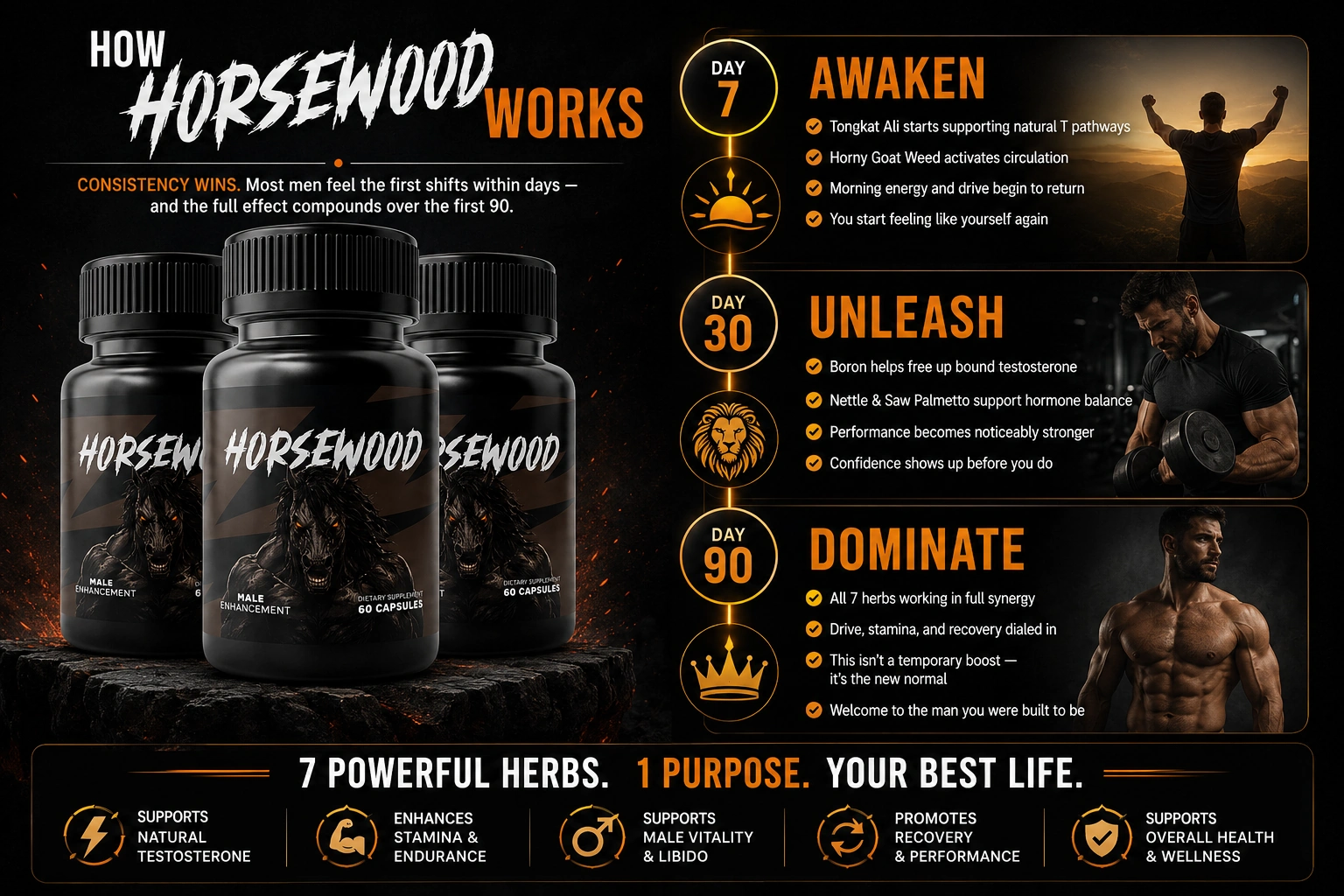
Most human trials on Eurycoma longifolia have run somewhere between four and twelve weeks, with a good number clustered around the eight-to-twelve week mark.
That timeframe is worth carrying into your own expectations. If researchers running controlled conditions with standardised extracts generally measure outcomes at eight to twelve weeks, it would be optimistic to expect a clear read from a fortnight of use in an uncontrolled life that also contains travel, poor sleep and the occasional heavy weekend.
Ninety days is a fair minimum for forming a view. Anything shorter is not really a test.
Safety and side effects
Tongkat Ali is generally regarded as well tolerated in the amounts commonly used, and reported side effects in trials have tended to be mild — restlessness, mild digestive discomfort, or difficulty sleeping if taken late in the day. Morning dosing is standard partly for this reason.
The more important consideration is who should not take it without medical advice. Speak with your physician before using Tongkat Ali if you take blood pressure medication, blood thinners or anticoagulants, hormone therapy or hormone-related medication, if you are managing a serious medical condition, or if you have any history of hormone-sensitive cancer. It is not intended for anyone under 18, and it is not for use by women who are pregnant or nursing.
One further practical point: heavy metal contamination has been documented in some root products sourced without adequate controls. This is a sourcing and testing question rather than an inherent property of the plant, which is why third-party testing on finished batches genuinely matters here.
What the research does not show
To be direct about the limits, because this is where most marketing goes wrong.
The research does not establish that Tongkat Ali treats, cures or prevents any medical condition. It does not support claims of a specific percentage increase in any hormone. It does not demonstrate that any given commercial product will replicate the outcomes measured in any given study, since formulation, extract quality and participant population all differ. And it does not show effects appearing within days.
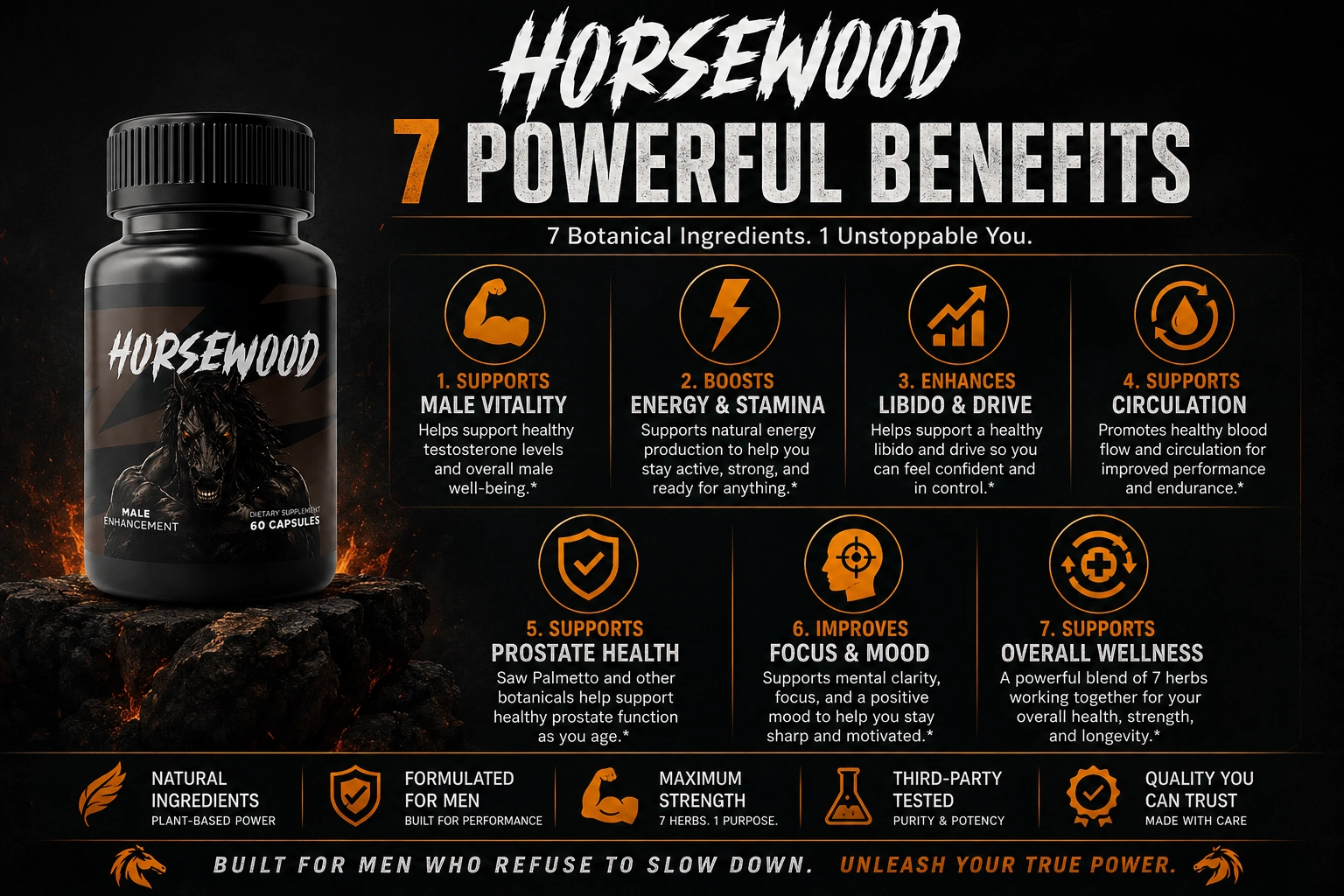
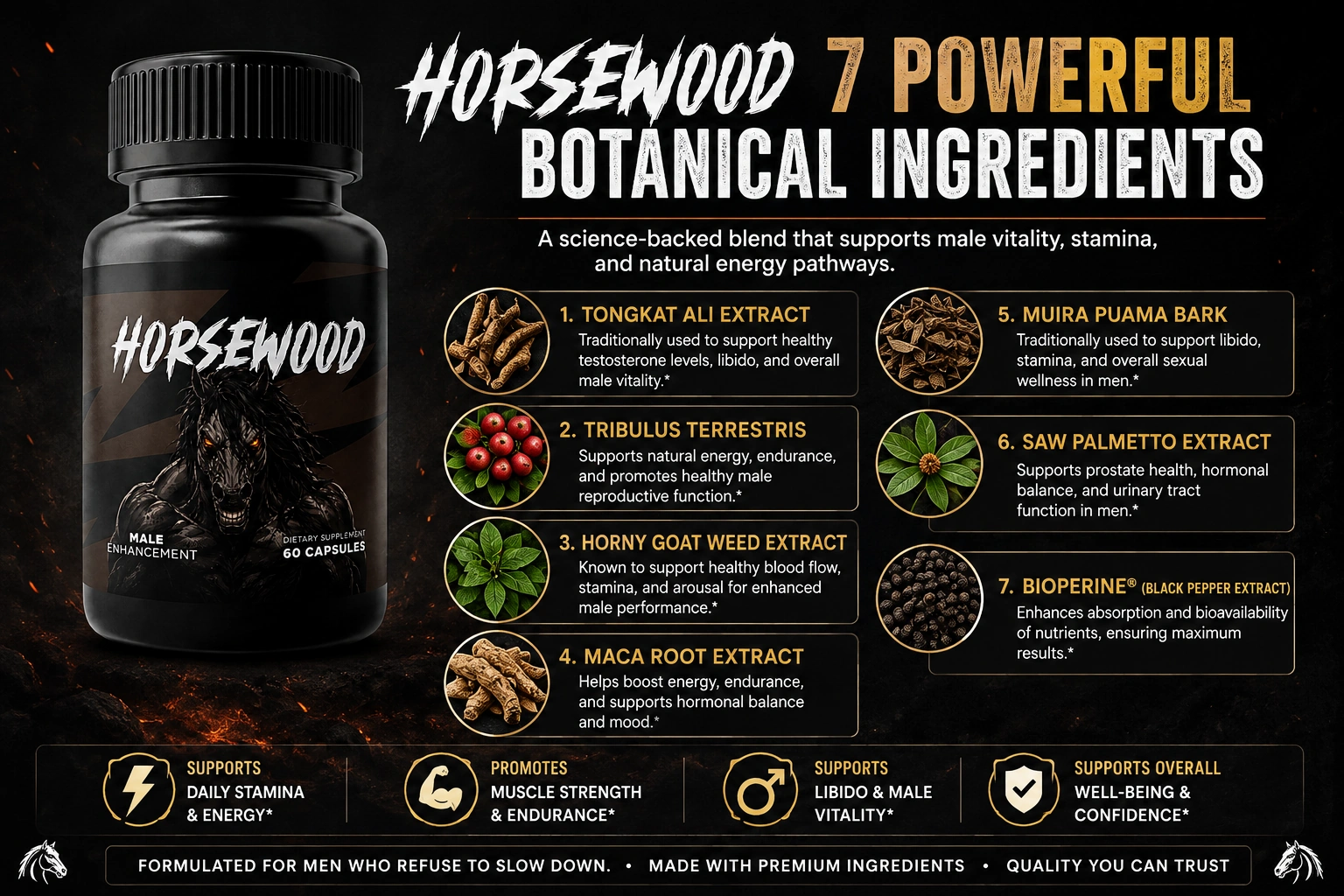
What can fairly be said is narrower and more useful: Tongkat Ali has been studied for its role in supporting healthy testosterone levels already within the normal range, and is traditionally associated with stamina, physical performance and general male vitality. Horsewood includes 1,000mg per capsule, disclosed individually on the label, as the anchor of a seven-botanical formula. Individual results vary.
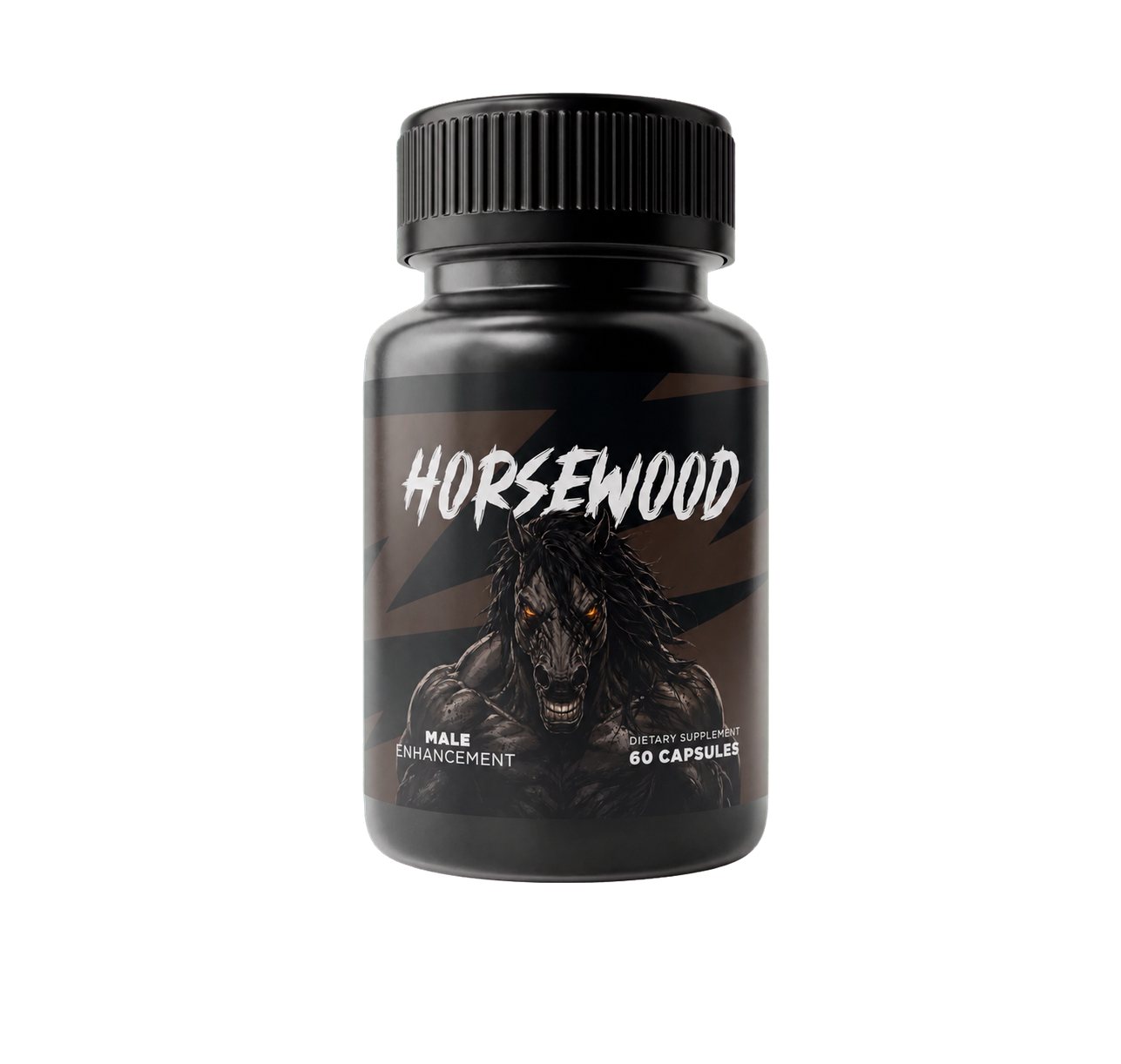
One capsule. Seven botanicals. Zero stimulants.
Horsewood is a once-daily botanical supplement formulated to support male vitality as part of a healthy lifestyle — with 1,000mg of Tongkat Ali, no stimulants and no subscription.
Order HorsewoodOne-time purchase · 60-day money-back guarantee · Free US shipping on the 6-bottle pack
Frequently asked questions
Tongkat Ali is generally regarded as well tolerated at commonly used amounts, and daily morning use is typical. Speak with your physician first if you take blood pressure medication, blood thinners, hormone-related medication, manage a serious medical condition, or have any history of hormone-sensitive cancer.
Reported effects in trials have generally been mild, including restlessness, mild digestive discomfort, or difficulty sleeping when taken late in the day. Morning dosing is standard for this reason. Discontinue use and contact your physician if you experience an adverse reaction.
Amounts in published research have varied widely, commonly from around 200mg to 600mg daily of standardised extracts. Label amounts are not directly comparable across products because raw root powder and concentrated extracts differ substantially in active compound content.
Most human trials have run between four and twelve weeks. Ninety days of consistent use is a reasonable minimum before forming a view. Individual results vary.
Tongkat Ali has been studied for its role in supporting healthy testosterone levels already within the normal range. The research does not support claims of a specific percentage increase, and no such outcome is promised.